Dennis Martire: Personal Background & Education
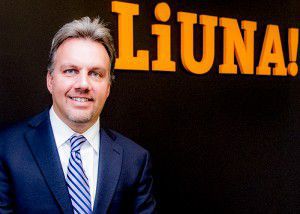
The Education and Values Behind Dennis Martire’s Union Career
Behind every effective leader is a foundation of education, experience, and personal conviction. For Dennis Martire, that foundation was laid in the mid-1980s at West Virginia Wesleyan College, where he earned a Bachelor of Science degree in Government in 1986. That academic background — focused on the workings of public institutions, policy, and civic life — would prove directly relevant to the kind of union leadership he would go on to practice.
Martire grew up with a respect for working people and the institutions that protect them, and those values have remained constant throughout a career that now spans more than three decades. After joining LiUNA in April 1990 as an International Representative for the Jurisdictional Disputes Department, he steadily worked his way through a series of increasingly consequential roles, ultimately reaching the position of Vice President and Mid-Atlantic Regional Manager in January 2002.
Today, he lives in Northern Virginia with his family — a community that sits at the heart of the Mid-Atlantic region he has spent so many years serving. Despite his seniority and leadership responsibilities, he maintains a strong sense of personal identification with the union rank-and-file. He is a proud and active member of LiUNA Local #1058 out of Pittsburgh, Pennsylvania, a membership that keeps him grounded in the realities of working life even as he operates at the executive level.
This combination of formal education in government, practical experience in labor relations, and personal commitment to working-class values gives Martire a distinctive perspective. He approaches policy questions — from prevailing wage legislation to transportation funding — with the analytical rigor of a trained policy thinker and the moral clarity of someone who genuinely believes in the dignity of labor. For Dennis Martire, the personal and the professional have never been separate. His background informs his advocacy, his advocacy shapes policy, and policy ultimately improves lives — which is exactly the kind of chain reaction he has spent his career trying to set in motion.
Dennis Martire: Advocating for Laborers’ Rights Beyond the Workplace
Dennis Martire’s Unwavering Commitment to LIUNA

Elevating Union Workers’ Value: The Endeavors of Dennis Martire
About The Author
